Top Tools for Building Vibe-Coded Games & Apps (2024–2025)
Dasher
Here’s a curated up-to-date list of the best tools and technologies to build "Vibe Coding" games and apps.
These tools enable you to code with natural language, AI co-pilots, or intuitive visual flows and are ideal for solo builders, indie game devs or experimental startup founders looking to prototype fast and vibe deep.
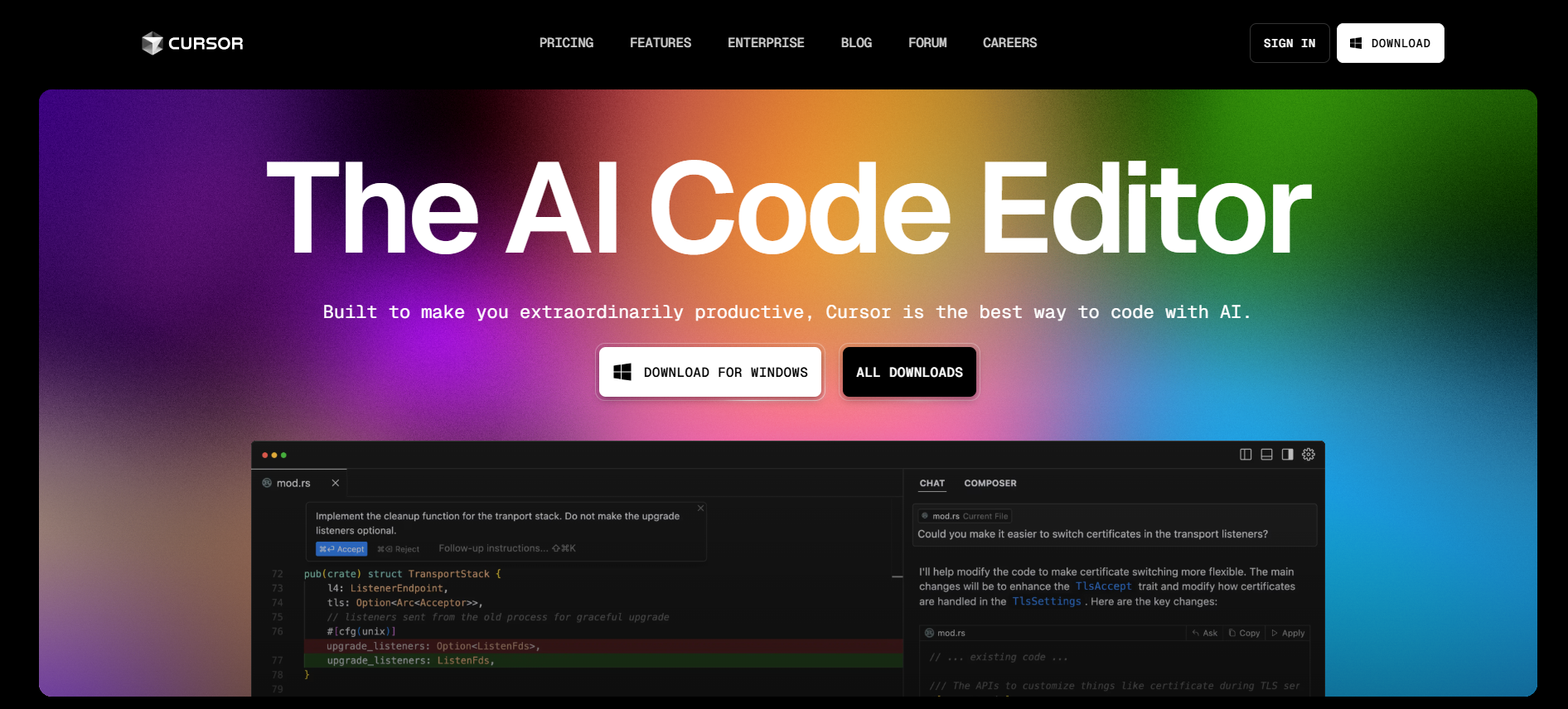
1. Cursor AI
What it is:
A fork of Visual Studio Code enhanced with powerful AI integration (mainly Claude and GPT-4). It’s designed for developers who want a true coding co-pilot.
Why it's great for vibe coding:
- Autocompletes entire features based on natural language
- Supports real-time code refactoring and debugging
- “Agent Mode” can act like a full-stack assistant
- Ideal for devs who want control with high-speed iteration
Use case: Building logic-heavy apps, multiplayer mechanics, or backend game engines with AI assistance.
2. v0.dev (by Vercel)
What it is:
An AI-first UI and frontend builder that generates working code (React + Tailwind) from natural language prompts.
Why it's great for vibe coding:
- Converts "describe your UI" into clean, deployable code
- Ideal for fast interface prototyping
- Great for solo devs or designers who want to build apps without hand-coding
Use case: Building UI layers for web games, dashboards, or interactive experiences with instant feedback loops.
3. Lovable
What it is:
A Claude-powered no-code and low-code app builder that focuses on emotionally expressive product creation.
Why it's great for vibe coding:
- Built with a design-first, personality-rich approach
- Encourages building “feel-good” apps with storytelling and mood
- Can generate logic, content, and even onboarding flows
Use case: Perfect for gamified productivity tools, vibe-based journaling games, creative side quests.
4. PlayCanvas
What it is:
A powerful, open-source WebGL game engine that works directly in the browser.
Why it's great for vibe coding:
- Combine with GPT or Claude to generate or manipulate scripts
- Lightweight for fast prototyping
- Can be extended via plugins or visual scripting
Use case: Building real-time 3D or interactive browser games with AI-generated code and UI.
5. Manus AI (limited access)
What it is:
An early-stage high-level IDE focused on “AI-native” development where prompts replace traditional boilerplate.
Why it's great for vibe coding:
- Think “describe → generate → refine” for entire software stacks
- Ideal for non-coders with strong ideas and a clear vision
- Very early access, but groundbreaking for building sandbox-style apps or games
Use case: Narrative-heavy games, AI-driven simulations, or reactive content platforms.
Find all the description of Manus AI
6. Unity + GitHub Copilot / GPT integration

What it is:
Classic game engine for 2D/3D games with AI support layered in via GitHub Copilot or custom GPT prompts.
Why it's great for vibe coding:
- Allows vibe-driven coding inside familiar frameworks
- GPT can generate scripts, shaders, and AI/NPC logic
- Best if you want full control but enhanced with AI input
Use case: Real-time action games, sandbox mechanics, procedural storytelling experiences.
7. Replit Ghostwriter + Replit AI Agents (2025 update)
What it is:
Cloud-based IDE with full-stack AI integration and now agent-based workflow generation.
Why it's great for vibe coding:
- Code multiplayer apps or games entirely in the cloud
- Chat with your AI agent to build, debug, and deploy
- AI can act like a persistent game designer assistant
Use case: Solo devs building experimental games or vibe-based productivity tools with multiplayer features.
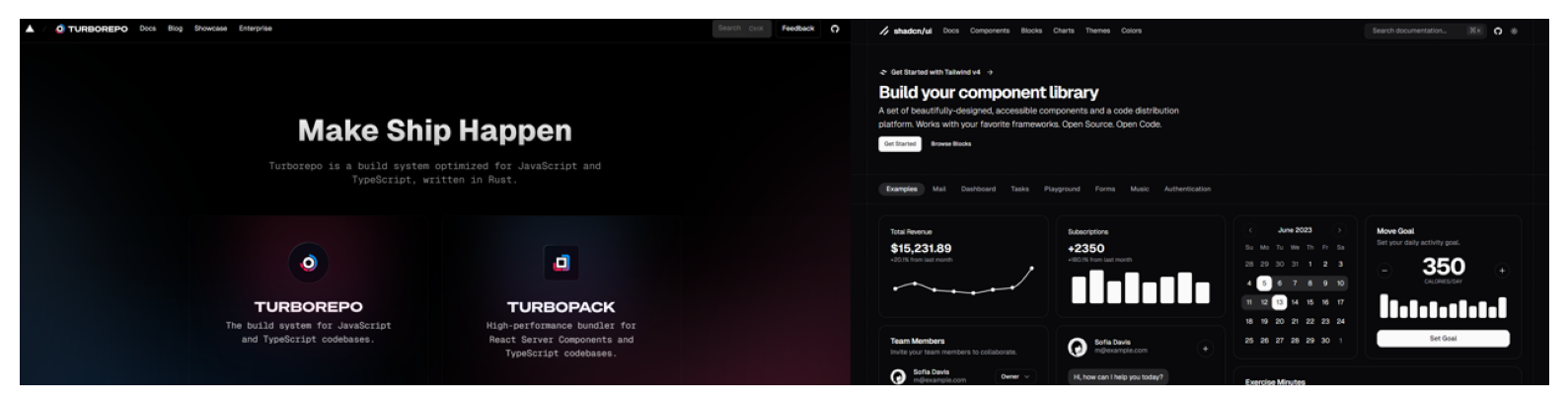
8. Turborepo + shadcn/ui + GPT-4 Vision
What it is:
A modern monorepo setup for building modular frontend/backend systems with GPT support.
Why it's great for vibe coding:
- Combine powerful UI kits with AI-coded component logic
- Great for modular game UIs or interactive quest builders
- GPT-4 Vision can generate code from wireframes or screenshots
Use case: Gamified SaaS, quest apps, mini social platforms with user-level customization.
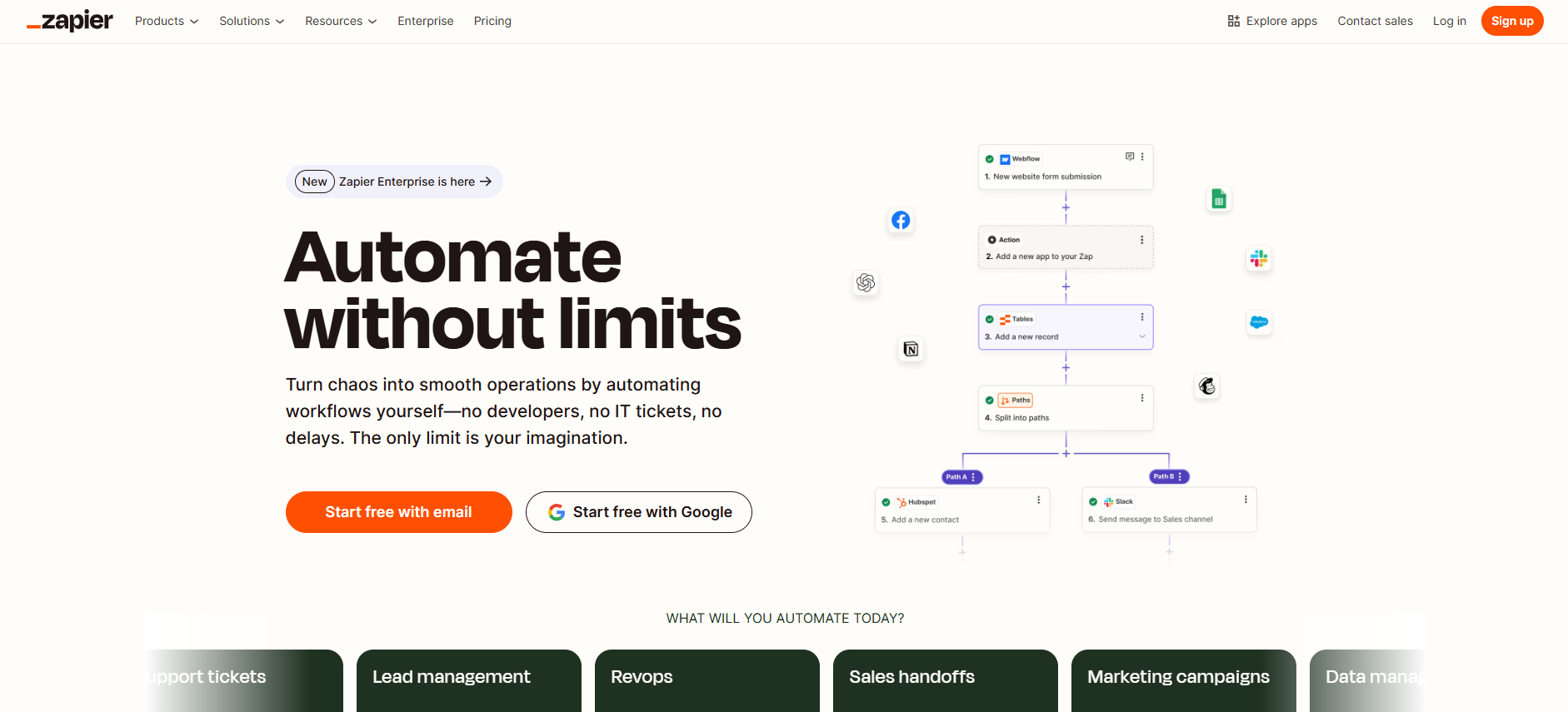
9. Zapier + Webhooks + GPT Agents (for no-code backends)
What it is:
A no-code automation and orchestration engine that can connect game logic or app data to AI responses.
Why it's great for vibe coding:
- Trigger game events from actions, mood, or vibe detection
- Add AI narrative generators or dynamic reward logic
- Pair with Glide, Softr, or Bubble for UI
Use case: Dynamic web apps, gamified onboarding flows, vibe-based learning games.
10. Flowise + LangChain + LangGraph (AI agent layer)

What it is:
Low-code tools to create multi-step AI logic flows using LLMs and memory.
Why it's great for vibe coding:
- Perfect for building adaptive quests, decision trees, or NPCs
- Integrate memory, context, and even mood tracking
- Flexible enough for solo builders to prototype entire AI-powered games
Use case: Vibe questing systems, emotional storytelling engines, reactive productivity apps.
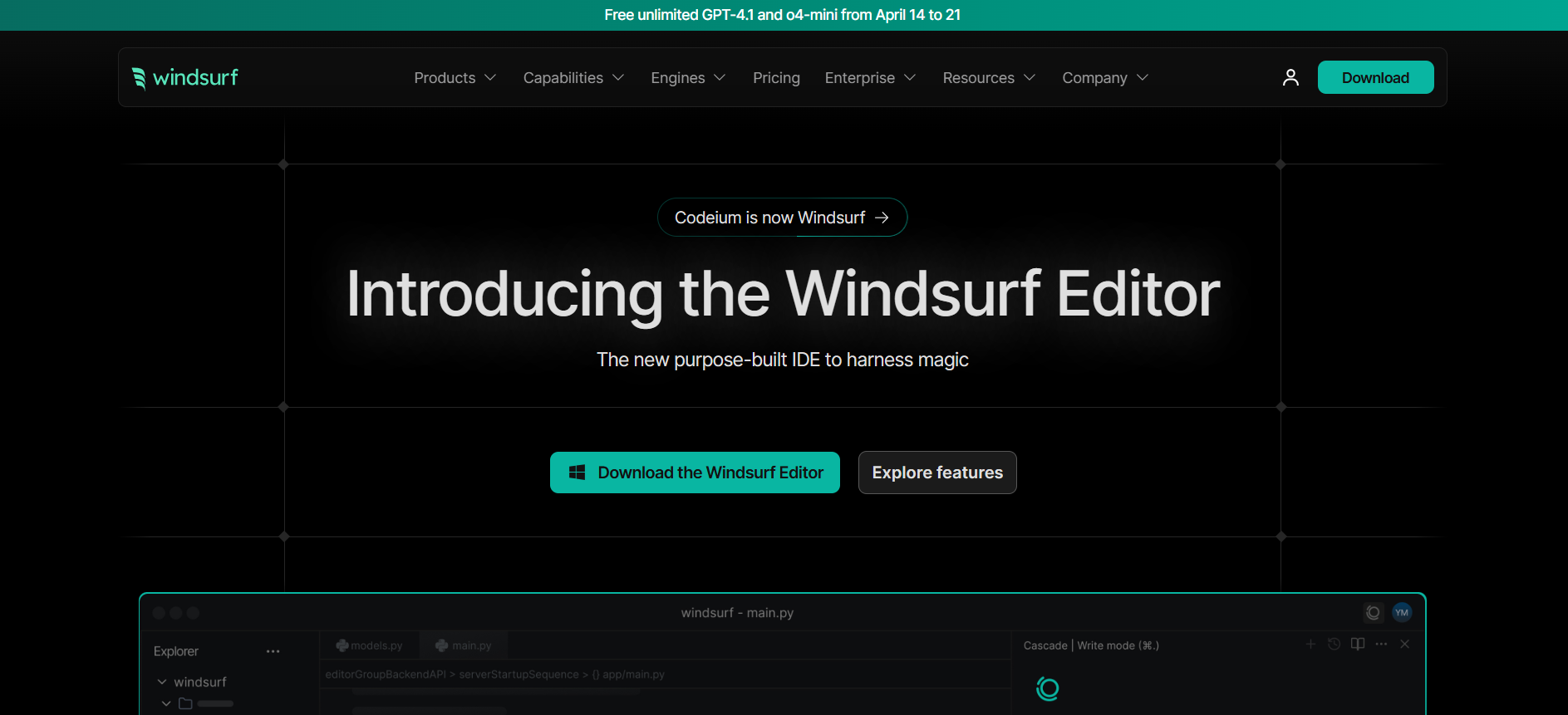
11. Windsurf AI
What it is:
Windsurf AI orchestrate full-stack apps and agents using natural language and a real-time prompt console.
Designed for builders who want to ship complex logic without writing everything from scratch.
Why it's great for vibe coding:
- Offers end-to-end agent orchestration, backend logic, and UI generation
- Great for multi-agent games, interactive apps, or simulations with live updates
- You can instruct, tweak, and test entire flows and backend functions via prompts
- Feels like having a real-time team of devs building with you, led by your ideas
Use case:
Perfect for building AI-powered interactive apps, vibe-based simulations, multiplayer agent ecosystems, or internal tooling with deep customization logic.
🔁 Where Windsurf AI Shines in the Vibe Stack
If you're building something like:
- A quest engine that adapts to user mood
- A custom GPT-powered NPC network
- A startup tool that generates and personalizes actions in real time
- An experimental social app powered by AI agents and vibe flows
Windsurf AI lets you build it faster, modularly and with minimal code, while preserving deep logic. You can even integrate it with LangChain or Claude to create richer agent personas.
🧠 Bonus: Stack Combinations That Work
- Cursor + Claude + LangChain → full dev control with conversational logic
- v0.dev + Zapier + GPT custom agents → fast UX with smart backend
- Lovable + mem0 + Rewind → personalized journaling or emotional games
- PlayCanvas + Flowise → build browser games that respond to user mood
- Unity + GPT-4 Vision + Claude → sandbox, story, and vibe all in one
🎯 Final Thoughts
The future of vibe coding is not about building faster.
It’s about building smarter, more reactive and emotionally connected apps and games.
Featured on Flaex